What Is a Full Charge Bookkeeper, and Does Your Business Need One?
Maybe you saw the title on a résumé, a job posting, or a proposal from a bookkeeping firm. "Full charge bookkeeper" sounds official. But it can be hard to tell how it differs from a regular bookkeeper, an accountant, or a CPA.
In most cases, the term describes how much of the bookkeeping one person handles. It is not a license. Whether you need one usually depends on your workload, how complex your finances are, and the help you already have.
Below, we cover what the role includes, how it fits with CPA and controller work, and how to weigh your options.
What a Full Charge Bookkeeper Is

Bookkeeping is the work of keeping a business's financial records complete and accurate. The Bureau of Labor Statistics explains what bookkeeping staff typically do. Tasks include recording data, posting transactions, checking figures, and producing reports, often in accounting software.
"Full charge" points to scope. In common business use, a full charge bookkeeper is in charge of most of the bookkeeping, most often at a smaller company. This person often reports straight to the owner or a senior manager.
They may work with an outside CPA on harder transactions. In some companies, they may also oversee clerks who handle billing, bills to pay, or payroll. That is how the full charge role is commonly described in industry sources.
How It Differs From a Transaction-Level Bookkeeper
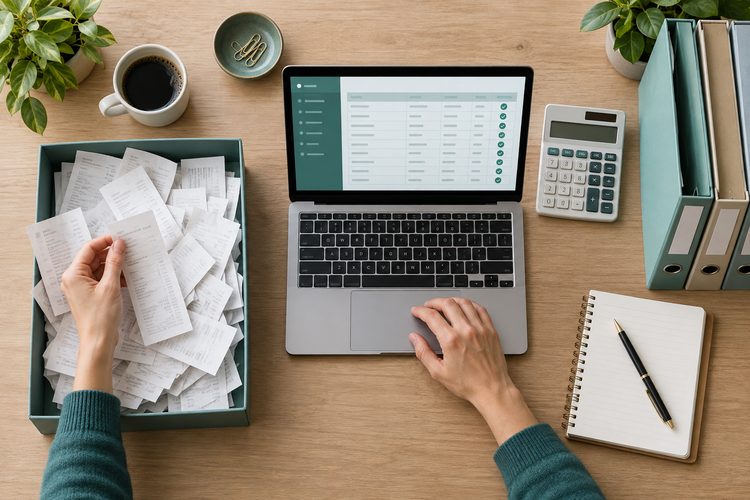
Not every bookkeeping job covers the same ground. Some focus mainly on entering transactions, like bills, deposits, and receipts. Others cover more of the process, from recording to reconciling accounts to routine reports.
The core tasks in bookkeeping roles include checking entries, reconciling records, and keeping financial documents in order. A bookkeeper who mainly enters transactions may do only part of this work. A full charge bookkeeper is usually expected to handle more of it from start to finish.
Responsibilities That Often Fall Within the Role
The work depends on the business. It may include paying bills, sending invoices, and following up on payments owed.
It may also include running payroll, reconciling bank and petty cash accounts, and keeping records of equipment and other fixed assets. It can also include routine reports, watching cash levels, and gathering information for an outside audit.
Tax work needs a careful note. In some businesses, a full charge bookkeeper may help with tax payments or organize records for the company's CPA.
But preparing and filing tax returns is not a standard part of the title. Many businesses handle returns with a CPA or tax professional.
A Job Title, Not a License

Employers define the full charge role for themselves. People come into bookkeeping in different ways, and two employers may use the same title for somewhat different jobs.
Bookkeeping credentials are a separate matter. One example is the Certified Bookkeeper designation from the American Institute of Professional Bookkeepers. It involves passing an exam, agreeing to a code of ethics, and showing bookkeeping experience.
A full charge bookkeeper may or may not hold a credential like this. And someone with a certification may work in a job with a smaller scope.
For owners, it helps to ask about both. The title suggests what someone is in charge of. A credential, if there is one, says something about training and experience.
Where Bookkeeping Ends and CPA or Controller Work Begins

Bookkeepers, CPAs, and controllers tend to work together rather than compete. Each one helps at a different level.
Working Alongside a CPA
According to SBA guidance on getting accounting help, a bookkeeper can handle basic day-to-day tasks at a lower cost. A CPA can usually offer more tailored service. A CPA also brings formal accounting education that a bookkeeper may not have.
In practice, many small businesses use both. The bookkeeper keeps records current and organized all year. The CPA helps with areas like tax planning and harder transactions.
A full charge bookkeeper does not replace that relationship. Clean, current books simply give a CPA a better place to start, whether the work is planning or business tax return services.
When a Controller-Level Resource May Make Sense
As a business grows, its accounting often gets more involved. At that point, oversight may shift to a controller who has worked with more complex systems.
In some companies, the full charge bookkeeper stays on in a supporting role. If your needs are growing past day-to-day bookkeeping, this may be worth discussing with your accounting advisor.
Why Owner Oversight Still Matters

Even when one skilled person handles most of the books, it is usually wise for a second person to see the numbers. Accountants often call this idea segregation of duties.
Picture one person who records transactions, sends payments, and reconciles the accounts. If no one else checks the work, honest mistakes and other problems can be harder to spot.
Review habits do not have to be complicated. Many owners review bank statements often, approve payments themselves, or look over monthly reconciliations.
The goal is not to second-guess a trusted employee. It is to keep you connected to your business's finances.
Good records make that review easier. The IRS says a business may use any recordkeeping system that clearly shows income and expenses. Supporting documents include invoices, receipts, deposit slips, and paid bills.
Its overview of what records a business should keep is a helpful reference. Employment tax records have their own rules, so it also helps to stay organized about the payroll tax documents employers should keep.
Does Your Business Need One? Questions to Weigh

There is no single answer. Publication 583, the IRS guidance on starting a business and recordkeeping, shows a sample recordkeeping system. But it notes that the example is not a recommendation for every business.
Staffing choices work much the same way. These questions can help you think it through.
Workload and Transaction Volume
Are entries, reconciliations, or invoices falling behind? Are you spending evenings on bookkeeping instead of running the business? If the work keeps outpacing the time you have, broader bookkeeping help may be worth a look.
Payroll, Inventory, and Fixed Assets
Who runs payroll now, and who checks it before employees are paid? Do inventory or equipment add tracking work your current setup can't keep up with? If so, you may need someone who handles more of the process, or dedicated payroll services for small businesses.
Reporting Needs and Outside Support
Do lenders, partners, or your own plans depend on regular, reliable financial reports? What does your CPA or accounting firm already handle?
The SBA suggests making sure someone is managing money owed to you, bills you owe, available cash, bank reconciliation, and payroll. If any of these has no clear owner today, that gap may point to the kind of help you need.
Alternatives to Hiring a Full Charge Bookkeeper

A full charge bookkeeper is one option among several. Common service models include the following.
- A regular bookkeeper paired with a CPA, which may suit businesses with manageable daily activity.
- Outsourced bookkeeping, which the SBA lists alongside CPAs and bookkeepers as a source of accounting help. A firm offering outsourced bookkeeping services may provide ongoing support without a new position.
- A full charge bookkeeper with outside CPA support, for businesses that want someone in-house managing the books.
- A controller-level resource, for businesses that need higher-level oversight as things grow more complex.
Choosing the Right Level of Support

The right fit depends on how complex your finances are, the help you already have, and how involved you plan to stay. For help sorting through your options, you can talk with a bilingual accounting team about your needs now and as you grow.
Frequently Asked Questions
Is a full charge bookkeeper the same as an accountant or CPA?
Not usually. A full charge bookkeeper handles much of the bookkeeping, while a CPA usually offers more tailored accounting and tax guidance.
Does a full charge bookkeeper need to be certified?
The title does not require a certification. Credentials such as the Certified Bookkeeper designation involve an exam, an ethics commitment, and documented experience. When hiring, it also helps to consider relevant experience and references.
Can a full charge bookkeeper handle payroll and taxes?
Payroll and some tax tasks may be part of the job. Tax return preparation is often handled by or with a CPA, so it helps to agree on these duties clearly from the start.
How can an owner stay involved if one person manages the books?
Reviewing bank statements, approving payments, and looking over reconciliations can keep you informed without slowing down daily work.
What if my business is not ready for a dedicated hire?
Start by looking at your workload and reporting needs. An accounting advisor can help you decide whether outsourced bookkeeping or a bookkeeper working with a CPA may fit better for now.